

The Trinity in Catholicism refers to the belief that there are three persons in one God, consisting of God the Father, Son (Jesus Christ), and Holy Spirit. This belief is central to the Catholic Church’s constitution and belief system, with prayers beginning and ending in the name of the Trinity.
The church accepts the existence of the Trinity as a core Christian teaching of the Catholic faith and a way of understanding the nature of God as both relational and unified. It’s considered a mystery, meaning that human reason cannot fully comprehend it, and it has been the subject of intense discussion in Christian theological thought throughout the history of the faith.
Three Key Points of the Trinity
- God the Father is the source and creator of all things, often depicted as the origin of the divine will and authority.
- God the Son (Jesus Christ) is the incarnate Word of God, who became human for the salvation of humanity. In the doctrine of the Trinity, Jesus is fully divine and fully human.
- God the Holy Spirit is the presence of God in the world today, guiding, empowering, and sanctifying believers. The Holy Spirit is often understood as the one who continues the work of Jesus on Earth, dwelling in the hearts of the faithful.
Examples to Help Explain the Trinity
The Shamrock
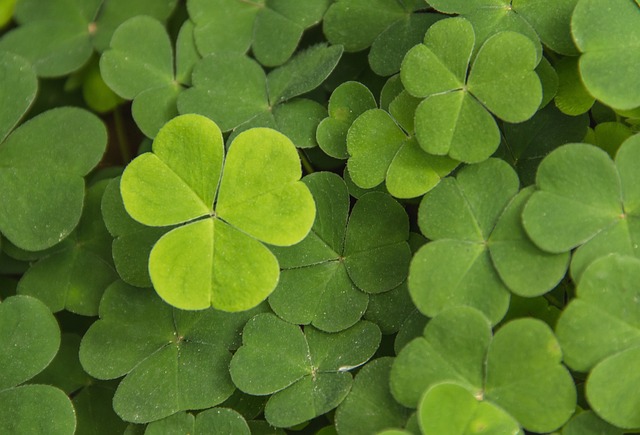
The shamrock is widely recognised as a symbol of St. Patrick, the patron saint of Ireland. As the story goes, St. Patrick used the three-leafed shamrock to illustrate the idea of the Holy Trinity—the Father, the Son, and the Holy Spirit—to the Irish. Each leaf represents a part of the Trinity, while the entire plant signifies their unity. This association has turned the shamrock into a symbol of Irish culture and Christian belief. It is thought that St. Patrick came to Ireland around 432 AD.

A Family
One example would be a child and their mother and father in a family.
Even though there are three persons (Father, Son, and Holy Spirit), there is still only one God. It’s like how three people can be part of one family, but they’re still one family.

Water
Water can be three things:
- Steam (water in the air)
- Liquid (water in a glass)
- Ice (water frozen)
Who is God the Father in the Trinity?

God the Father is the first Person of the Holy Trinity, the Creator, and the loving source of all life. He is distinct from the Son and the Holy Spirit, yet fully united with them in one divine essence. Through the Father, Christians understand God’s providential care for creation, His plan of salvation through the Son, and the ongoing presence of the Holy Spirit in the world today. The Father’s role is to love, guide, and nurture His creation, revealing His ultimate love for humanity in the sending of His Son, Jesus Christ.
Key Aspects of God the Father
Creator
God the Father is often associated with creation. Catholic theology teaches that the Father created the world through the Word (the Son/Jesus Christ), and that the Holy Spirit also participated in creation.
God the Father and the Son (Jesus Christ)
In the Trinity, the Father is the one who sends the Son into the world for the redemption of humanity. The Father is not the Son, but they are united in essence (both are fully God). The Son, Jesus Christ, is eternally begotten of the Father, meaning that the Son shares the same divine nature as the Father but is distinct in person. The Father’s will is the foundation of the plan of salvation. He sent His Son, Jesus Christ, into the world to redeem humanity through His life, death, and resurrection.
God the Father and the Holy Spirit
The Father is the source of the Holy Spirit as well. Jesus promises that the Father will send the Holy Spirit to teach and guide the disciples. The Holy Spirit proceeds from both the Father and the Son.
Who is God the Son in the Trinity?

The Son is Jesus Christ, the eternal second person of the Trinity, who became human to accomplish God’s plan of salvation for humanity. He is the incarnation of God the Son. Christians believe that Jesus is both fully divine and entirely human, the eternal Son of God who took on human flesh through the virgin birth. As the Son, Jesus is co-eternal with the Father and the Holy Spirit, meaning He has no beginning or end but has always existed as part of the one God.
Key Aspects of God the Son
Eternal Relationship with the Father
Jesus is the Son, eternally begotten of the Father, not created. This means that He is distinct in person from the Father, but of the same divine essence.
Incarnation
The Son took on human form in the person of Jesus Christ. This is a central doctrine of Christianity, the belief that God the Son became fully human while remaining fully divine
Redemption and Salvation
Through His life, death, and resurrection, God the Son provides the means of salvation for humanity, reconciling the world to God After His resurrection, Jesus ascended into heaven and now reigns as Lord and King. Christians believe He will return in glory at the end of time.
Who is God the Holy Spirit?
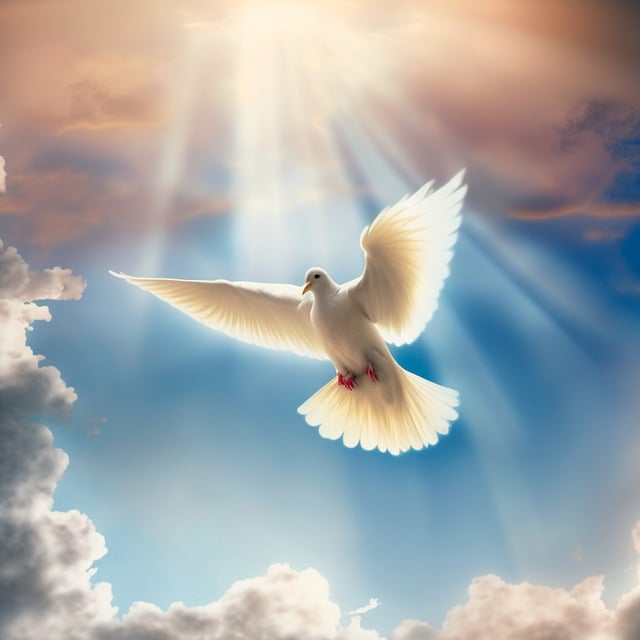
God the Holy Spirit is the third person of the Trinity, fully God, and actively engaged in the world and the lives of believers. He convicts, regenerates, sanctifies, and empowers Christians, equipping them for service and ministry. The Holy Spirit is present in all believers, guiding, comforting, and strengthening them as they seek to live according to God’s will and fulfil His purposes on earth.
Key Aspects of God the Holy Spirit
The Spirit as God’s Presence in the World
The Holy Spirit is often described as God’s active presence in the world. While God the Father is transcendent and the Son is incarnate in Jesus, the Holy Spirit works within creation, sustaining and guiding it.
The Spirit in the Life of Jesus
The Holy Spirit was active in the life and ministry of Jesus Christ. The Spirit descended upon Jesus at His baptism (Matthew 3:16), led Him into the wilderness (Luke 4:1), empowered Him for His ministry, and was present in His works and miracles. Jesus also promised to send the Spirit to His followers after His ascension (John 14:16–17).
The Spirit in the Life of Believers and the Church
The Holy Spirit dwells within all believers by, but not limited to, empowering them to live according to God’s will, drawing them toward repentance and faith in Christ. The Spirit also regenerates believers, giving them new spiritual life and equipping them for ministry by bestowing spiritual gifts.
Symbolism of the Holy Spirit
The Holy Spirit is often represented symbolically in Scripture as:
Dove: The dove symbolises purity, peace, and the presence of God, especially seen at Jesus’ baptism.
“And when Jesus was baptised, he went up immediately from the water, and behold, the heavens were opened and he saw the Spirit of God descending like a dove, and alighting on him;”
Matthew 3:16
Wind: The Spirit is compared to wind, representing the unseen, powerful movement of God.
“The wind blows where it wills, and you hear the sound of it, but you do not know whence it comes or whither it goes; so it is with every one who is born of the Spirit.’”
John 3:8
Fire: Fire represents the purifying and empowering presence of the Spirit.
“And there appeared to them tongues as of fire, distributed and resting on each one of them. And they were all filled with the Holy Spirit and began to speak in other tongues, as the Spirit gave them utterance.”
Acts 2:3–4
The Twelve Fruits of The Holy Spirit

- Charity (Love): Charity, or love, is the greatest of all virtues and the foundation of all the other fruits. It is the selfless, unconditional love that we are called to show to God and to others. This fruit reflects God’s love for us and is expressed through acts of kindness, sacrifice, and service.
- Joy: Joy is a deep, spiritual happiness that comes from knowing and loving God. Unlike mere happiness, which can be fleeting and dependent on external circumstances, joy is rooted in the experience of God’s presence and love in our lives.
- Peace: Peace is the tranquillity and harmony that comes from being in a right relationship with God and others. It is not just the absence of conflict, but a deep sense of well-being that flows from knowing God’s will and living in harmony with it.
- Patience: Patience is the ability to endure suffering, difficulty, or delay without becoming frustrated or angry. It is rooted in trust in God’s timing and a willingness to bear with others’ faults and weaknesses.
- Kindness: Kindness is a disposition to be gentle, compassionate, and generous toward others. It involves showing consideration and care in both words and actions.
- Goodness: Goodness is a general disposition to do what is morally right and to seek the welfare of others. It reflects a desire to act with integrity, justice, and compassion.
- Generosity: Generosity is the willingness to give freely of one’s time, resources, and talents without expecting anything in return. It is an expression of selflessness and care for others.
- Gentleness: Gentleness, also known as meekness, is the ability to respond to others with calmness, understanding, and respect, even when provoked. It involves humility and a willingness to serve others with a spirit of meekness rather than asserting one’s own will.
- Faithfulness: Faithfulness is being true and loyal to God and others, honouring commitments, and living in trust and obedience to God’s will. It involves perseverance in faith, even in difficult times.
- Modesty: Modesty involves humility and a sense of propriety in one’s actions, speech, and dress. It is a virtue that seeks to honour God by avoiding prideful or immoderate behaviour.
- Self-control: Self-control is the ability to regulate one’s desires, impulses, and emotions, particularly when they conflict with God’s will. It is the strength to resist temptation and live according to the virtues rather than indulgence.
- Chastity: Chastity is the virtue that helps individuals express their sexuality in a way that is in accord with God’s plan. It involves purity of heart, mind, and body, and refraining from sinful sexual behaviour.
The Seven Gifts of The Holy Spirit
- Wisdom: Wisdom allows a person to see things from God’s perspective and to make decisions that align with His will. It is more than just knowledge; it involves understanding the deeper truths of faith and applying them to life.
- Understanding: Understanding helps a person to grasp the meaning of the truths of faith. It enables a deeper insight into God’s word, allowing one to comprehend the mysteries of the faith and how they relate to daily life.
- Counsel (Right Judgment): Counsel is the ability to make sound decisions, especially when facing moral dilemmas. It helps a person discern God’s will and choose the right course of action. This gift is especially important in guiding others with advice rooted in faith.
- Fortitude (Courage): Fortitude is the strength to endure difficulties and persevere in faith, even when facing trials, persecution, or suffering. It is the gift of courage that enables a person to stand firm in their convictions, especially in challenging or hostile circumstances.
- Knowledge: Knowledge enables a person to understand the meaning of life and to see things in the light of faith. It is not just intellectual knowledge, but the ability to perceive and interpret the world through God’s eyes, helping one grow in virtue and holiness.
- Piety (Reverence): Piety is the gift that deepens a person’s love for God, fostering a spirit of devotion and reverence. It helps the person approach God with humility and recognise God as their Father, leading them to live a life of prayer and worship.
- Fear of the Lord (Wonder and Awe): Fear of the Lord is not about being afraid of God, but about having a profound respect and awe for God’s majesty and holiness. It leads to humility and a deep sense of reverence for God, recognising His greatness and the need to avoid sin in His presence.
Biblical Basis for the Trinity
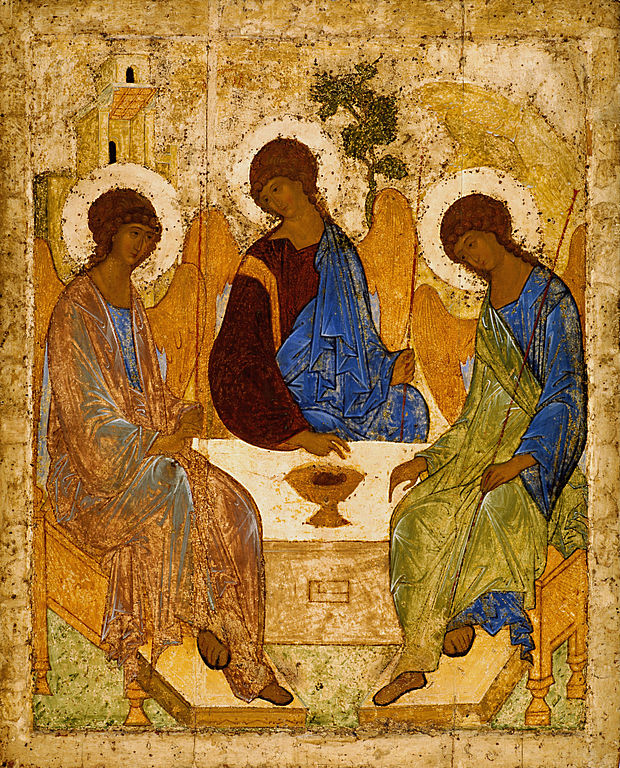
Though the word “Trinity” is not found explicitly in the Bible, the doctrine is derived from various passages that speak of the Father, Son, and Holy Spirit together, such as:
“Go therefore and make disciples of all nations, baptising them in the name of the Father and of the Son and of the Holy Spirit,”
Matthew 28:19
“When the Spirit of truth comes, he will guide you into all the truth; for he will not speak on his own authority, but whatever he hears he will speak, and he will declare to you the things that are to come. He will glorify me, for he will take what is mine and declare it to you. All that the Father has is mine; therefore I said that he will take what is mine and declare it to you.”
John 16: 13-15
“The grace of the Lord Jesus Christ and the love of God and the fellowship of the Holy Spirit be with you all.”
2 Corinthians 13:14

