
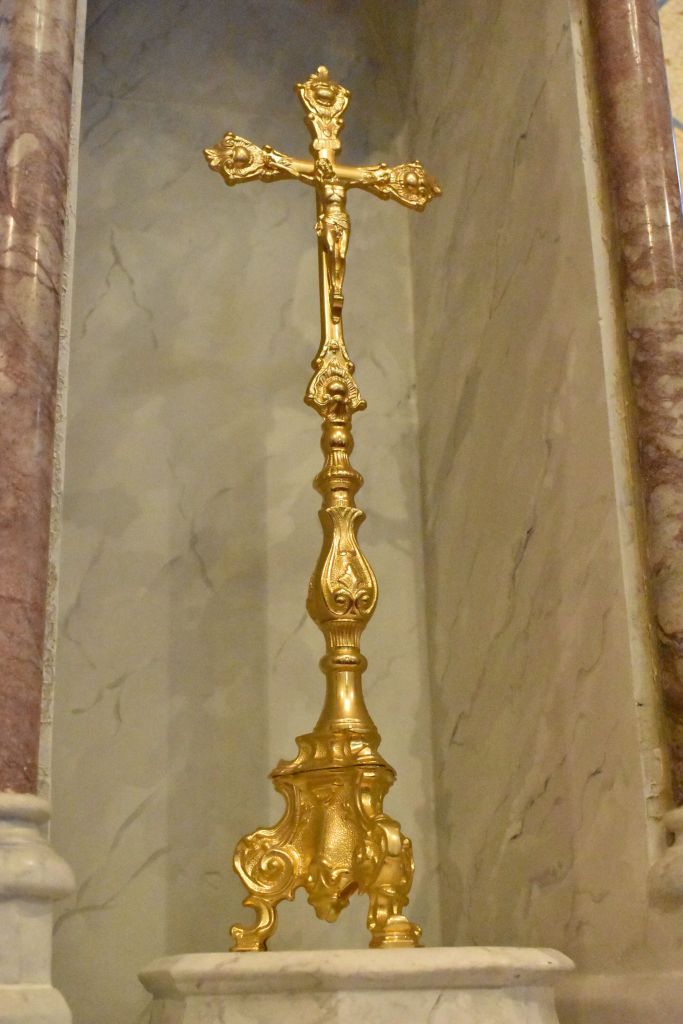
Crucifix (Cross)
Symbol of the Christian religion, recalling the Crucifixion of Jesus Christ and the redeeming benefits of his Passion and death.
Historically the Crucifix (originally called a Crux) primarily described a wooden cross, or gallows, used for executions, where the condemned person was bound or nailed to a large wooden cross, beam, or stake and left to die. This was the cause of death for Jesus Christ.
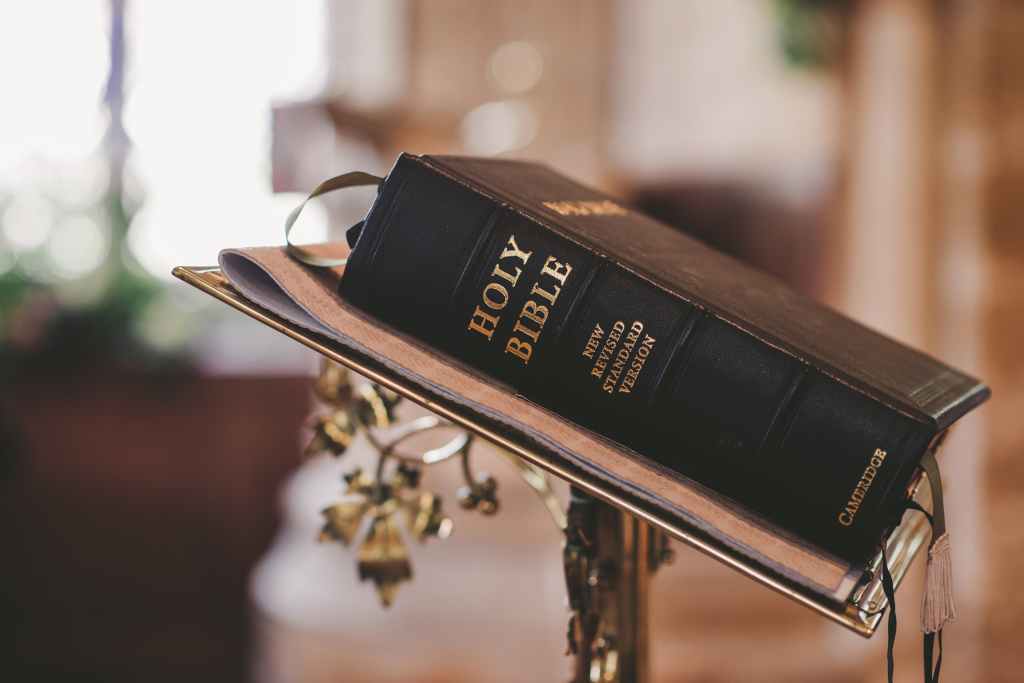
Bible
The Christian scriptures consist of the Old and New Testaments. The Old Testament is the Jewish Bible. Christians follow the New Testament as they are under a new covenant with new rules. There are also new and different requirements for salvation.
Old Testament
The first division of the Christian Bible consists of 46 books. This collection prepares the way for the New Testament and the arrival of Jesus Christ, who fulfils the prophecies and promises found within these texts. Most of the books were written in Hebrew, while some were written in Aramaic.
New Testament
The second part of the Christian Bible. It consists of 27 books and focuses on the life, teachings, death, and resurrection of Jesus Christ and the formation and teachings of the early Church. These books were initially written in Greek.

Missal
The Missal is a liturgical book used by the priest in the Roman Catholic Church to celebrate the Mass. It contains the prayers, hymns, and instructions needed for the celebration of the Eucharist.
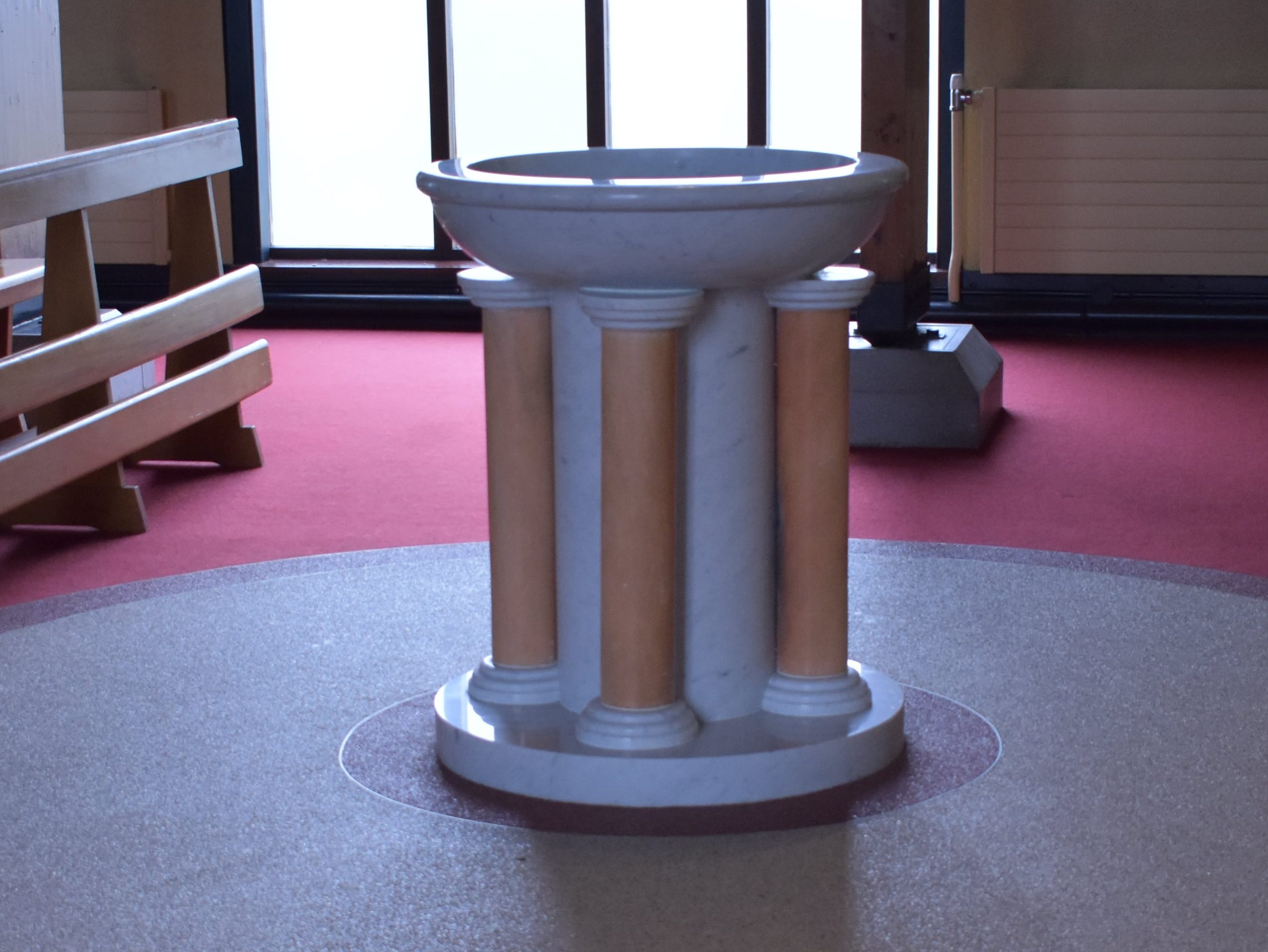
Baptistery
The structure that holds the font which contains baptismal water where baptisms occur.
Font
A vessel used for baptism ceremonies.
Baptism
A Christian sacrament marked by ritual use of water and admitting the recipient to the Christian community.

Monstrance (Ostensorium / Ostensory)
A vessel used to display the consecrated Eucharistic sacramental bread, also known as the host.
Eucharist
A sacrament that commemorates the Last Supper, in which bread and wine are consecrated and consumed. Bread and wine turn into the body and blood of Christ through transubstantiation.
Transubstantiation
The process by which the bread and wine of the Eucharist is transformed into the Body and Blood of Jesus Christ.
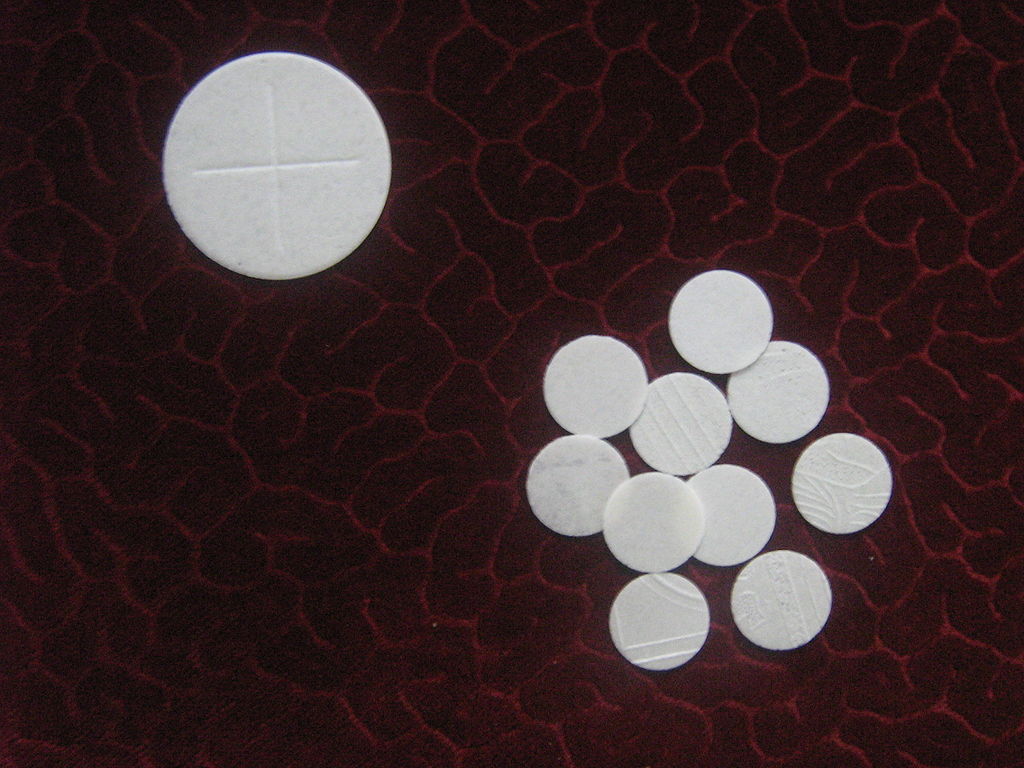
Sacramental Bread / Host
Sacramental bread, also known as the host, is used in the Catholic Church during the Eucharist to symbolise the body of Christ. It is made from simple ingredients: wheat flour and water, without any additives or leavening agents.
The dough is mixed, rolled out into thin sheets, cut into small, round wafers, and then baked until crisp and dry. Religious symbols or images may appear on some wafers. The process is carried out with great care and reverence to ensure the bread is pure and suitable for the sacred ritual of the Eucharist.
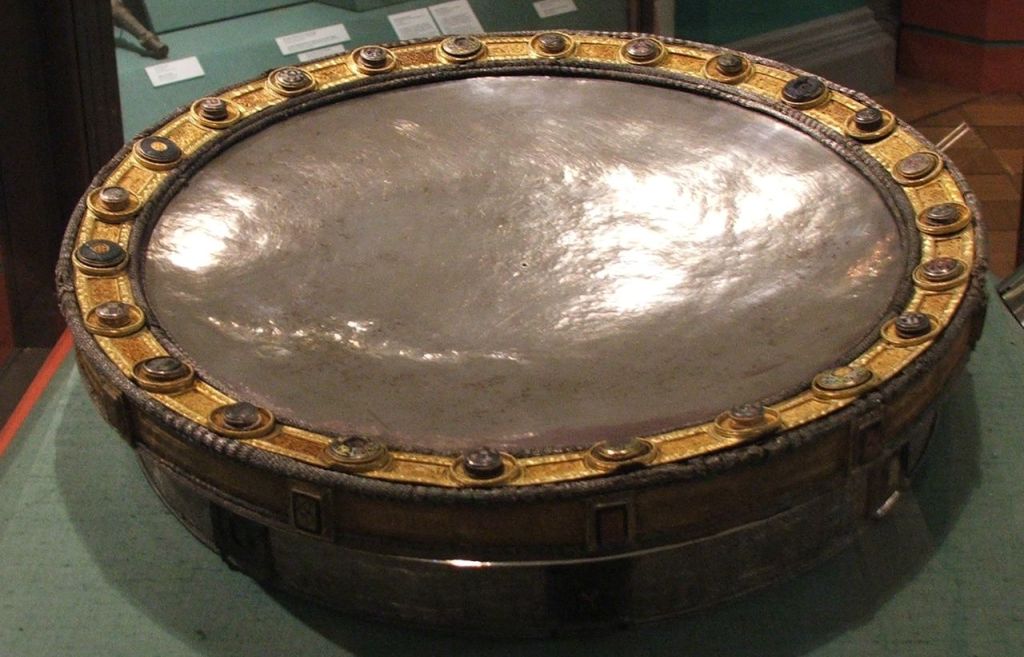
Paten
Typically, a paten serves the hosts (sacramental bread). A paten is a small, shallow plate made of precious metal, such as gold or silver, used during the celebration of the Eucharist. The paten holds the hosts that will be consecrated and distributed to the congregation during Communion.
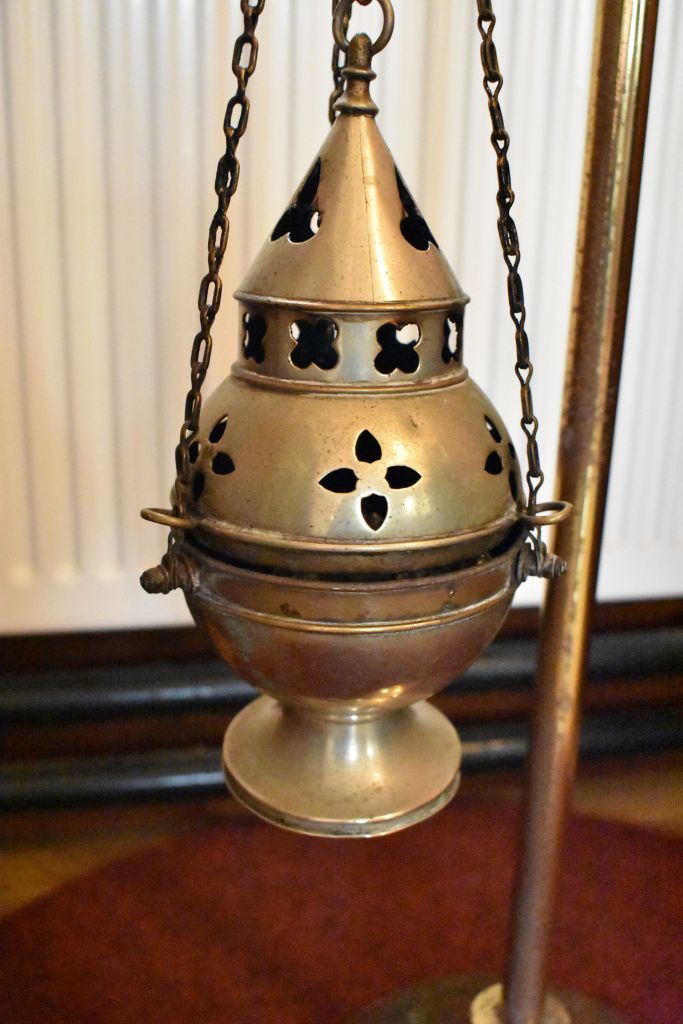
Thurible / Censer
A metal incense burner suspended from chains, in which incense is burned during worship services. A censer is similar to a thurible but is typically smaller and more ornate.
Incense
A fragrant made from spices, aromatic gums and balsams that burn slowly. The rising smoke came to symbolise prayers rising to God. A thurible, a metal censer, is used to burn incense during Catholic religious services.
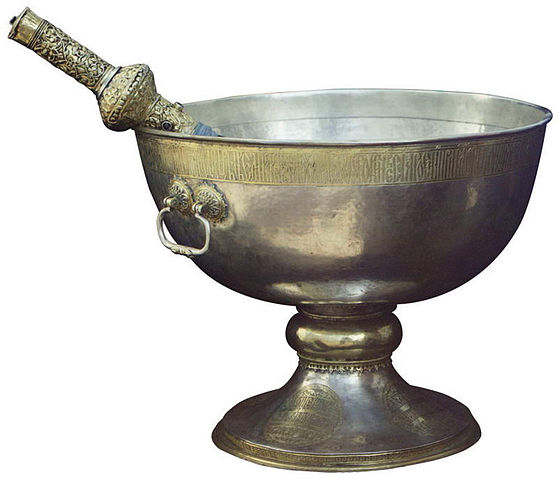
Aspersorium and Aspergill
An aspersorium is a portable vessel that holds holy water. The priest dips an aspergill (or aspergillum) into the water and uses it as a sprinkler.
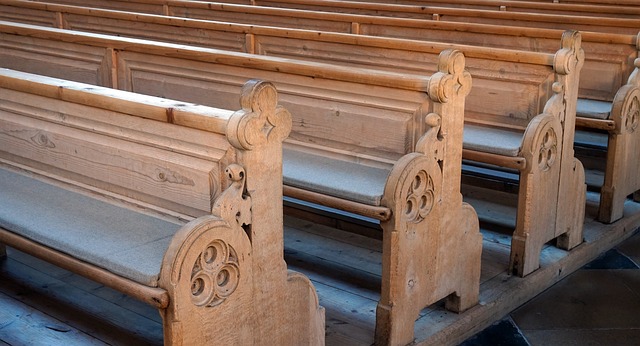
Pew
A long bench seat or enclosed box. Used for seating a congregation or choir members in a church or sometimes a courtroom. A typical form of seating in churches.
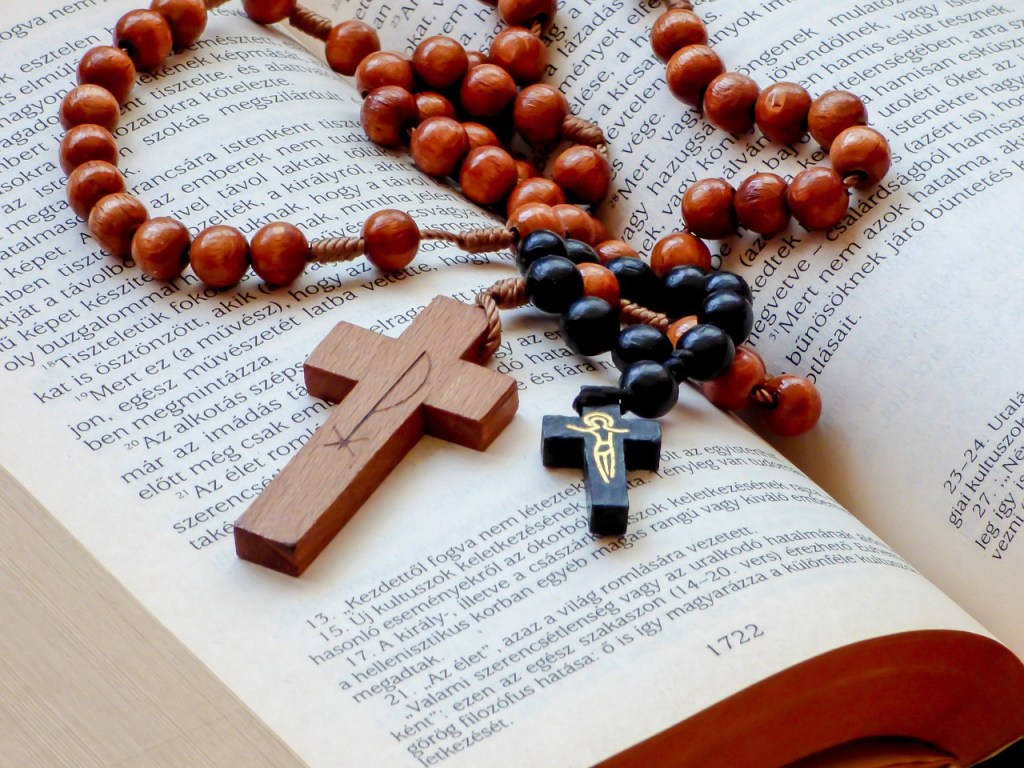
Rosary
The Catholic Rosary is a form of prayer that involves the repetitive recitation of prayers, such as the Our Father, Hail Mary, and Glory Be, while meditating on the key events in the lives of Jesus Christ and the Virgin Mary, known as the Mysteries.

Scapular
A square or rectangular piece of fabric that is worn as a necklace and is frequently connected to certain orders. The scapular is worn to represent religious life and devotion.

Miraculous Medal
The Catholic Miraculous Medal, also known as the Medal of the Immaculate Conception, is a devotional medal featuring an image of the Blessed Virgin Mary, given to St. Catherine Labouré in 1830, believed to offer spiritual graces and protection to those who wear it with faith.
On the front, there is an image of the Virgin Mary standing on a globe with rays of light emanating from her hands, symbolising the graces she bestows upon those who ask for her intercession. Surrounding her are the words, “O Mary, conceived without sin, pray for us who have recourse to thee.” On the reverse side, the symbols include a cross above an “M” for Mary, with two hearts, one crowned with thorns (representing the Sacred Heart of Jesus) and the other pierced by a sword (representing the Immaculate Heart of Mary). Twelve stars surround these symbols, representing the twelve Apostles and a crescent moon beneath the “M” represents Mary’s purity and her role in God’s plan of salvation. The design serves as a reminder of Mary’s protection and intercession.
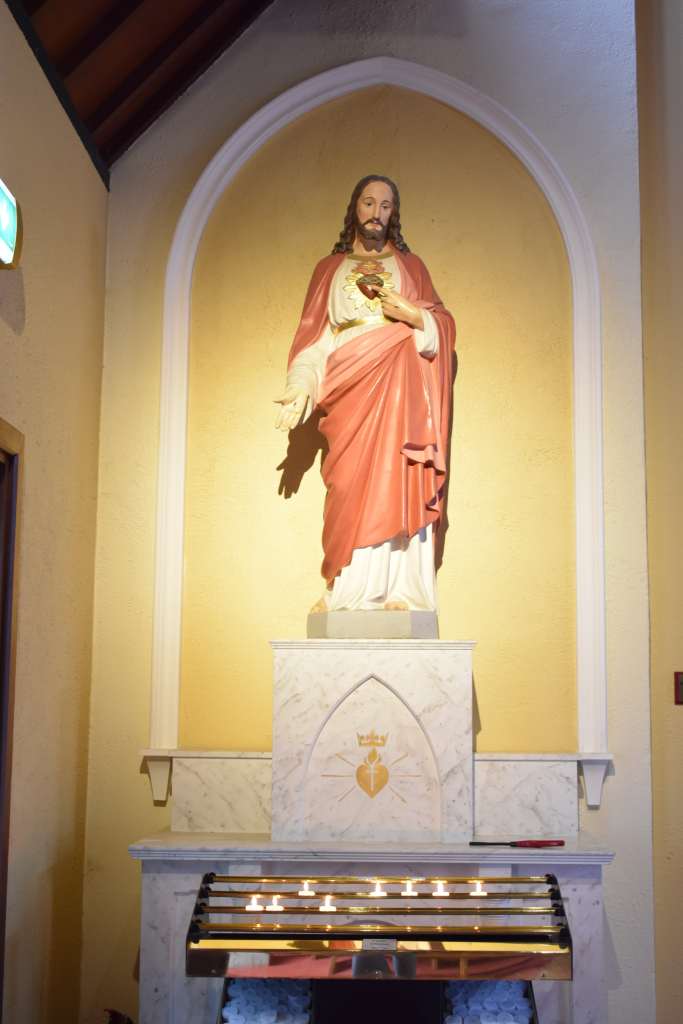
Shrine
Any structure or place consecrated or devoted to a saint, holy person, or God, such as an altar, chapel, or church.

Relics
The term “relics” refers to the mortal remains of a saint or any object that has been in contact with the saint. This practice is particularly emphasised in Roman Catholicism within Christianity.
Reliquary
A repository for storing or exhibiting religious relics, particularly those of saints.
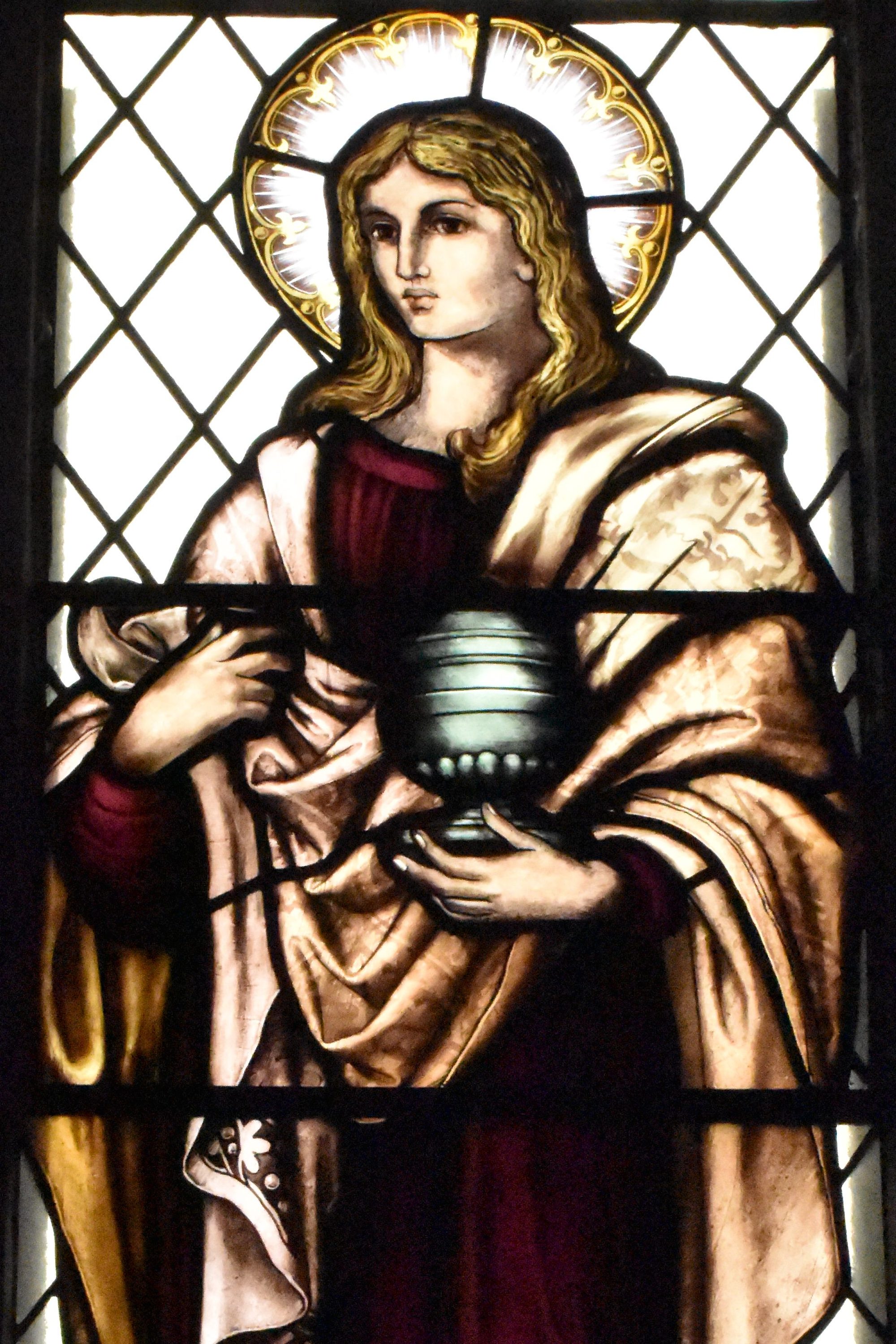
Stained Glass Windows
These decorative windows are made with glass that has been coloured, cut, and then soldered together into a mosaic to form a pattern or image.
Coloured glass used in the arts to create ornamental windows and other light-transmitting appliances. All coloured glass is technically “stained,” or tinted, by adding different metallic oxides to it while it is molten. However, the phrase “stained glass” now mostly refers to glass used to create decorative or picture windows.
The use of stained-glass windows in Christianity dates back over a millennium. The first examples that are known to exist date from the fourth and fifth centuries, but stained-glass windows in Christian churches and throughout the Middle Ages in general became more common in Europe during the Gothic period in the 12th century.

Papal Tiara (Triregnum)
A triple crown, also known as the Triregnum. Historically, Papal Coronations were practiced when new Popes were crowned with a papal tiara in a coronation ceremony, symbolising their authority and role within the Church.
Papal inaugurations have replaced this practice and the use of the crown since 1978, with Pope Paul VI being the final pope to receive a coronation in this way in 1963.

Cassock (Soutane)
An ankle-length garment with buttons down the front worn by priests.
Clerical Collar (Roman Collar)
A white strip of material fastened around the neck as part of the priest’s clothing.
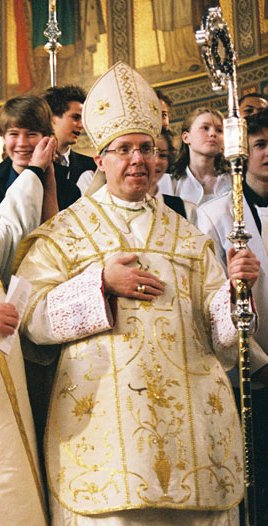
Chasuble
An ornate, sleeveless outermost vestment worn by Catholic priests when celebrating Mass.
Mitre
A tall headdress that tapers to a point at the top. Worn by senior officials in the Catholic Church.
Bishop’s Staff (Crosier)
A staff with a hooked end similar to a shepherd’s crook or with a cross at the end, carried by an abbot, bishop, or archbishop as a symbol of office.
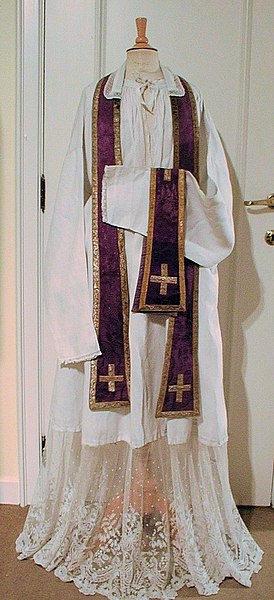
Vestment
A vestment is a garment worn by Catholic priests, bishops and other members of the church during religious ceremonies.
Alb
A white vestment that reaches to the feet, worn by clergy.
Stole
A long strip of coloured material worn by priests on the neck and hangs down the chest to the knees. It comes in different colours, depending on events on the liturgical calendar and special occasions.
Maniple
Used primarily within the Latin Rite of the Catholic Church, it is an embroidered band of fabric like silk that hangs from the left forearm, worn over the alb. It comes in different colours, depending on events in the liturgical calendar and special occasions.

Skull Cap (Zucchetto)
A small, hemispherical, form-fitting ecclesiastical skullcap worn by Catholic clergy is called the zucchetto.
Pellegrina (Mozzetta)
A short cape that drapes to the elbows. It is lined and trimmed in either amaranth red for bishops or scarlet red for cardinals, and its fabric can be either black or white. The pope’s pellegrina is all white. The mozzetta has buttons, while the pellegrina is open in the front and secured with a clasp.

Cope (Mantum)
A long mantle or cloak, open at the front and fastened at the breast with a band or clasp. A mantum is similar to a cop but longer.

Biretta
A square cap with three or four ridges on its upper surface, sometimes surmounted by a tuft, worn by clergy in the church.
Dalmatic
A long, wide-sleeved tunic worn by members of the clergy.

Nun’s Habit
A distinctive set of religious clothing worn by nuns. A nun is a woman who has dedicated her life to religious service, typically within a Catholic community, by taking vows of poverty, chastity, and obedience.
The specific elements of a nun’s habit can vary depending on the order or congregation, but typically it includes:
- Veil: A head covering that can vary in style and size depending on the order. It often covers the hair, symbolising modesty and the nun’s submission to God. Some orders also have a wimple, a piece of cloth that covers the neck and chin.
- Tunic or Robe: A long, simple dress or gown, usually in a dark colour like black or brown, representing humility and the renunciation of worldly pleasures.
- Cincture (Belt): A belt or cord tied around the waist, often symbolising chastity or the vows taken by the nun. It might also have a symbolic knot that represents these vows.
- Scapular: A piece of cloth worn over the shoulders, typically a large square or rectangular piece of fabric, often associated with certain orders. The scapular is worn to signify devotion and the religious life.
- Rosary: While not technically part of the habit, many nuns also wear a rosary as part of their daily prayer life. The Rosary is a set of Catholic prayer beads used to count a series of prayers.
- Footwear: Nuns typically wear simple sandals or may go barefoot, reflecting their vow of poverty and the monastic ideal of simplicity.
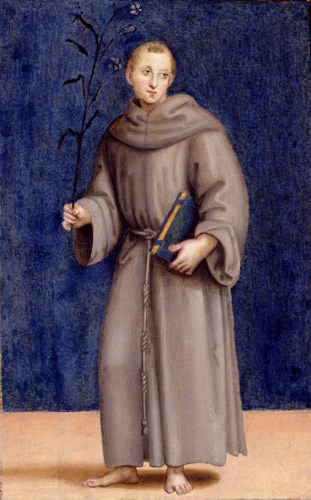
Monk’s Habit
A distinctive set of religious clothing worn by monks. A monk is a man who has dedicated his life to religious service, typically within a Catholic community.
The specific elements of a monk’s habit can vary depending on the order or congregation, but typically it includes:
- Hood: A hood attached to the habit or worn separately. It covers the head and represents the monk’s humility, often worn during prayer or other religious duties.
- Tunic or Robe: A long, simple dress or gown, usually in a dark colour like black or brown, representing humility and the renunciation of worldly pleasures.
- Cincture (Belt): A belt or cord tied around the waist, often symbolising chastity or the vows taken by the monk. It might also have a symbolic knot that represents these vows.
- Scapular: A piece of cloth worn over the shoulders, typically a large square or rectangular piece of fabric, often associated with certain orders. The scapular is worn to signify devotion and the religious life.
- Rosary: While not technically part of the habit, many monks also wear a rosary as part of their daily prayer life. The Rosary is a set of Catholic prayer beads used to count a series of prayers.
- Footwear: Monks typically wear simple sandals or may go barefoot, reflecting their vow of poverty and the monastic ideal of simplicity.

