

St. Adomnán of Iona
Abbot and scholar from County Donegal, Ireland. Particularly noted as the biographer of St. Columba. In 679, he was elected abbot of Iona, the ninth in succession from St. Columba, the founder.
Born: 624
Died: 704 (aged 80)
Feast Day: 23rd of September
Canonised: Pre-Congregation
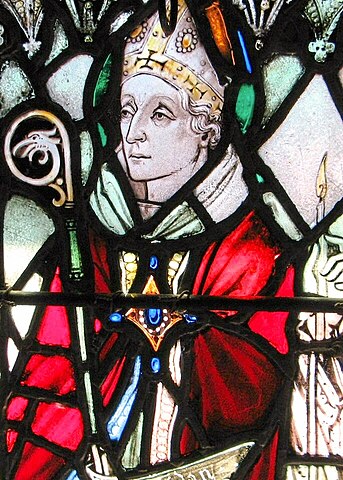
St. Aidan of Lindisfarne
Aidan was a monk at Iona, an island of the Inner Hebrides in Scotland. He was requested by King Oswald of Northumbria to be made bishop of the newly converted Northumbrians. Aidan was consecrated in 635 AD and settled on Lindisfarne, where he established his church, monastery, and see near the royal stronghold of Bamburgh. Under his direction and that of his successors, Lindisfarne flourished as a leading ecclesiastical centre until the Danish invasions began in 793 AD.
Born: 590
Died: 651 (aged 61)
Feast Day: 31st of August
Canonised: Pre-Congregation
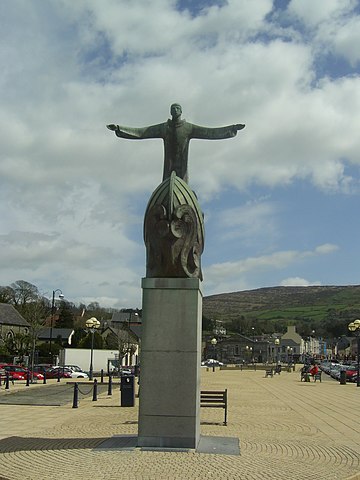
St. Brendan the Navigator
Brendan was born in Ciarraighe Luachra, near Tralee in County Kerry Ireland. A Celtic saint, monastic founder, abbot, and hero of legendary voyages in the Atlantic Ocean. After becoming a monk and priest, he was entrusted with the abbey of Ardfert and subsequently established monasteries in Ireland and Scotland.
Born: 484
Died: 577 (aged 93)
Feast Day: 16th of May
Canonised: Pre-Congregation

St. Brigid of Kildare
According to medieval Irish hagiographies, St. Brigid was an abbess who founded the important abbey of Kildare (Cill Dara), as well as several other nunneries. St. Brigid’s Cross (Crois Bhríde in Irish) is a cross woven from rushes and is associated with St. Brigid.
Born: 451
Died: 525 (aged 74)
Feast Day: 1st of February
Canonised: Pre-Congregation

St. Cainnech of Aghaboe (St. Kenneth)
Also known as St, Kenneth, he was born in Glengiven, County Derry, Ireland. He was an Irish abbot, monastic founder, priest and missionary during the early medieval period. He wrote a commentary on the Gospels, which for centuries was known as the Glas-Choinnigh or Kenneth’s Lock or the Chain of Cainnech.
Born: 515
Died: 600 (aged 84–85)
Feast Day: 11th of October
Canonised: Pre-Congregation
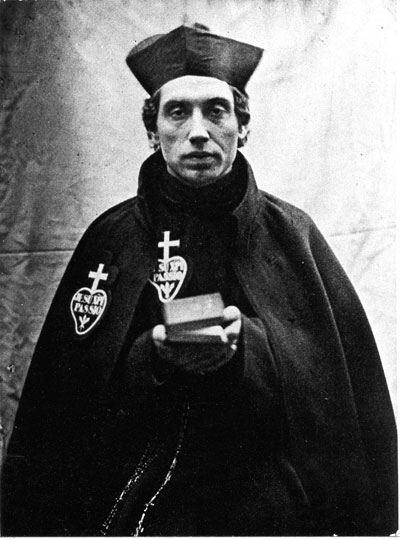
Charles of Mount Argus (Charles Houben of St Andrew)
Saint Charles of Mount Argus (1821–1893 AD), born John Andrew Houben in the Netherlands, was a Passionist priest known for his holiness, compassion, and gift of healing. In 1857 AD, he was sent to Dublin, Ireland, where he served at the Passionist monastery at Mount Argus, where he remained for the rest of his life in Ireland.
Saint Charles became beloved for his deep humility, kindness, and special ability to bring comfort to the sick and suffering, often through his prayers and blessings. People flocked to him from all over Ireland, believing in his miraculous intercessions. His reputation for healings and miracles was so great at the time that a reference is made to him in the famous novel Ulysses by James Joyce. Despite his growing reputation, he remained modest and dedicated to his mission of serving God and others.
Born: 1821
Died: 1893 (aged 71)
Feast Day: 5th of January
Canonised: 2007 by Pope Benedict XVI
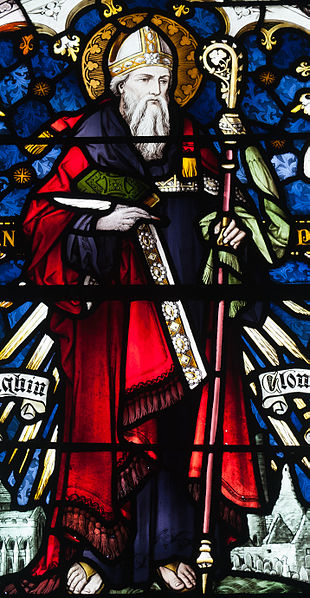
St. Ciarán of Clonmacnoise
Ciarán was born in the Kingdom of Connacht (today County Roscommon). He was an abbot and one of the most distinguished founders of monasticism in Ireland. Ciarán received his education from Abbot St. Finnian at the renowned Monastery of Clonard. He then moved to the island of Arranmore in Galway, off the western coast of Ireland. Later, Ciarán travelled to central Ireland, visited several monasteries, and eventually settled with eight companions at Clonmacnoise. In 548 AD, he founded an abbey there, which later developed into one of the most famous Irish monastic cities. By the 9th century, it had become a great centre of learning.
Born: 516
Died: 549 (aged 33)
Feast Day: 9th of September
Canonised: Pre-Congregation

St. Colmán of Lindisfarne
Colmán was originally from the west of Ireland and received his education on Iona. He was a significant figure in the early Irish church and a founder of monasteries. He led the Celtic party during the important Synod of Whitby (663/664 AD), which was convened by the church of the Anglo-Saxon kingdom of Northumbria.
Born: 605
Died: 675 (aged 70)
Feast Day: 18th of February
Canonised: Pre-Congregation
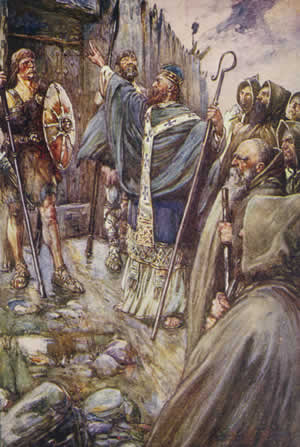
St. Columba
Columba was born in Gartan, County Donegal, Ireland. The founder of the important abbey on Iona is credited with having played a major role in the conversion of Scotland to Christianity in the 6th century. He is the patron saint of Scotland and is also revered as the patron of the city of Derry, Northern Ireland.
Born: 521
Died: 597 (aged 75)
Feast Day: 9th of June
Canonised: Pre-Congregation
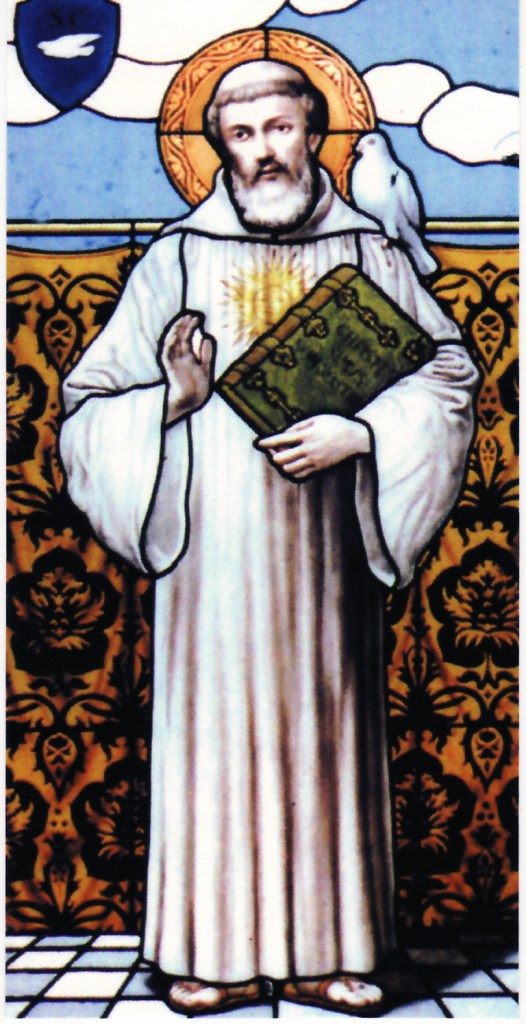
St. Columban
An Irish missionary, born in the Kingdom of Meath (which is in present-day County Meath and Westmeath). He was notable for founding several monasteries after 590 in the Frankish and Lombard kingdoms. The most notable monasteries he founded were Luxeuil Abbey in present-day France and Bobbio Abbey in present-day Italy.
Born: 543
Died: 615 (aged 71–72)
Feast Day: 23rd of November
Canonised: Pre-Congregation

St. Dymphna
Tradition holds that Dymphna was born in Ireland and was martyred by her father. The first written account of her story dates back to the 13th century, when a canon of the Church of Aubert of Avranches in Cambrai, France, commissioned a work about her. The author explicitly stated that the account was based on longstanding oral tradition and a history of miraculous healings of the mentally ill.
Born and died in the 7th century.
Feast Day: 15th of May
Canonised: Pre-Congregation

St. Fridolin of Säckingen
An Irish-born missionary who is said to have established churches among the Franks and Alamanni and who, in modern times, has been revered in southern Germany, Switzerland, and Austria.
Born and died in the 7th century.
Feast Day: 6th of March
Canonised: Pre-Congregation

St. Fursey
An Irish monk who did much to establish Christianity throughout Ireland and the United Kindom, particularly in East Anglia. He reportedly experienced angelic visions of the afterlife.
Born: 597
Died: 650 (aged 53)
Feast Day: 16th of January
Canonised: Pre-Congregation
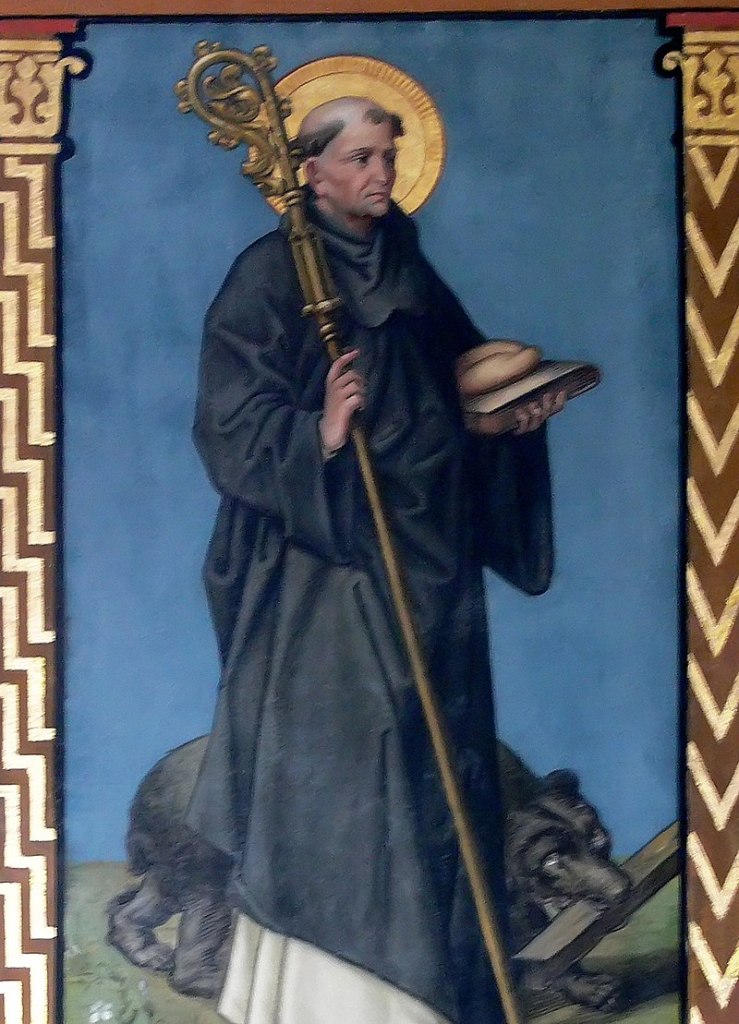
St. Gall
An Irish monk who helped spread Irish influence while introducing Christianity to western Europe. Educated at the monastery of Bangor (in present-day County Down, Northern Ireland), Gall became a disciple of St. Columban and joined him on a mission to France. When Columban proceeded to Italy, Gall remained with the semi–Pagan Alemanni, a Germanic people living in Gaul and northern Switzerland. In 612 AD he founded a hermitage on the site of modern Sankt Gallen.
Born: 550
Died: 645 (aged 95)
Feast Day: 16th of October
Canonised: Pre-Congregation
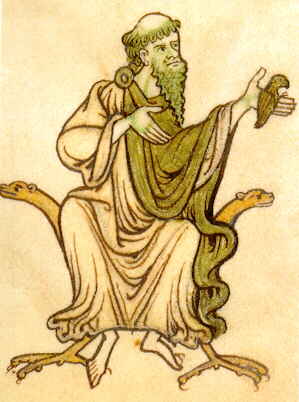
St. Kevin of Glendalough
Born in Leinster, Kevin was known as the founder and first abbot of Glendalough in County Wicklow, Ireland. He was born into the royal line of the ancient Irish kingdom of Leinster and chose, as a young man, to become a hermit in Glendalough. Later, he founded the monastery there.
Born: 498 (reputedly)
Died: 618 (aged 120)
Feast Day: 3rd of June
Canonised: Pre-Congregation

St. Kilian
Missionary bishop who, with his companions Saints Colman and Totnan, gave his life for the Christianisation of Thuringia and eastern Franconia. At Würzburg about 689, all three were beheaded by orders of Duke Gozbert of Würzburg, whom Kilian supposedly converted and baptised. In 752 AD, Bishop Burchard of Würzburg had their relics solemnly transferred to his cathedral. Kilian is a favourite patron in the Würzburg region and is revered in Vienna and Ireland.
Born: 640
Died: 689 (aged 49)
Feast Day: 8th of July
Canonised: Pre-Congregation
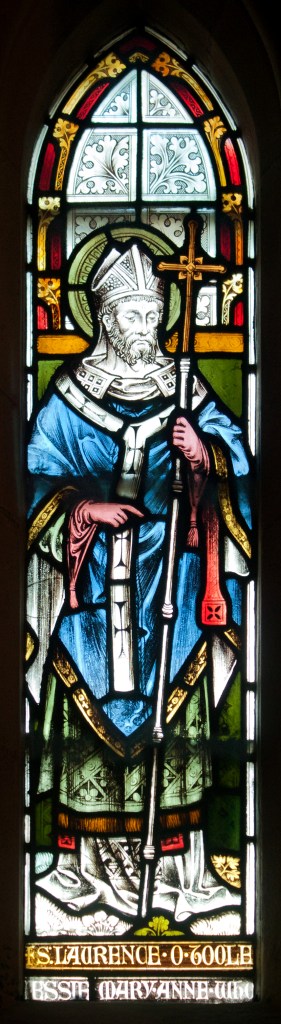
St. Lawrence O’Toole (Lorcán Ua Tuathail)
Saint Laurence O’Toole was born in Kilkea, County Kildare, to a noble family. Diarmait Mac Murchada, the King of Leinster, who had a conflict with Laurence’s father, took him hostage at the age of 10. Before his release, Laurence spent several years in captivity, receiving education in a monastic setting that shaped his later religious life.
He was known for his commitment to peace and reconciliation, working to bridge the divide between the Irish and the Anglo-Norman settlers. Saint Laurence also emphasised reforming the clergy and improving the spiritual lives of his people. He died while traveling to France on a diplomatic mission. He is remembered as a model of humility, piety, and dedication to his faith.
Born: 1128
Died: 1180 (aged 52)
Feast Day: 11th of December
Canonised: 1225 by Pope Honorius III
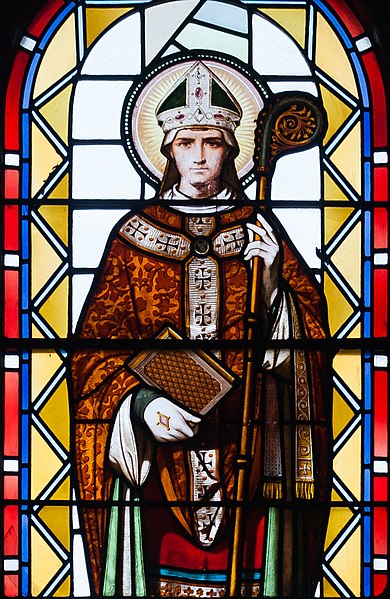
St. Malachy
Malachy was born in County Armagh in ancient Ireland (now Northern Ireland). He became a priest and later Archbishop of Armagh, working tirelessly to restore discipline, establish proper liturgical practices, and reform monastic life.
People credit him with introducing the Cistercian order to Ireland and fostering strong ties with Rome. Saint Malachy is also known for his deep spirituality, humility, and devotion to the poor. A notable tradition associated with him is the “Prophecy of the Popes,” a series of cryptic phrases attributed to him that some believe predict the succession of future popes, though its origins are debated.
Born: 1094
Died: 1148 (aged 54)
Feast Day: 3rd of November
Canonised: 1190 by Pope Clement III
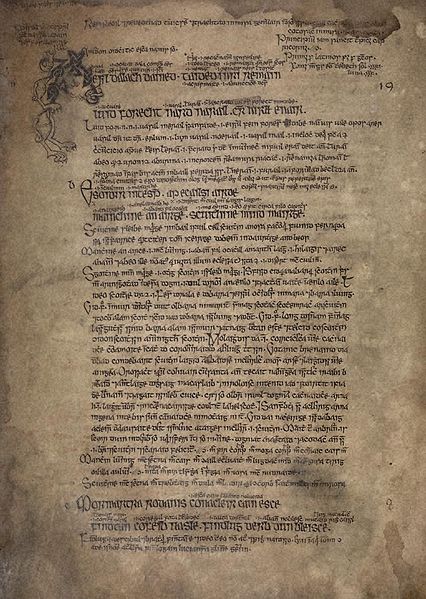
Óengus of Tallaght (Óengus the Culdee)
Born in Clonenagh, Spahill, County Laois, Ireland. he was an Irish bishop, reformer and writer who flourished in the first quarter of the 9th century and held to be the author of the Félire Óengusso (“Martyrology of Óengus”)
Born: Unknown
Died: Possibly 11th of March 824
Feast Day: 11th of March
Canonised: Pre-Congregation

St. Patrick of Ireland
Saint Patrick is the patron saint and national apostle of Ireland. He is credited with bringing Christianity to Ireland and is known for two of his written works: the Confession, his spiritual autobiography, and his Letter to Coroticus, a denunciation of a British warlord named Coroticus.
Patrick was born into a wealthy Roman-British family. At the age of 16, he was kidnapped by Irish raiders, taken to Ireland, and sold into slavery. After six years, he managed to escape and return to Britain, where he was reunited with his family. However, he had a dream in which he heard the voices of the Irish people calling and begging him to come back and help them learn more about Christianity, so he returned to Ireland. St. Patrick is believed to have arrived in Ireland around the year 432 AD.
Born: Unknown
Died: Mid-fifth to early-sixth century
Feast Day: 17th of March
Canonised: Pre-Congregation

St. Oliver Plunket
Oliver Plunkett, born in Loughcrew Cairns, County Meath, Ireland, in 1625 AD, was the last man to be a victim of the Popish Plot and to suffer martyrdom for the Catholic faith in England. The remains of his head are rested in its reliquary in St. Peter’s Church in the city of Drogheda in County Louth. He was beatified in 1920 AD and canonised in 1975 AD, thus becoming the first new Irish saint in almost seven hundred years.
Born: 1625
Died: 1681 (aged 55)
Feast Day: 1st of July
Canonised: 1975 by Pope Paul VI
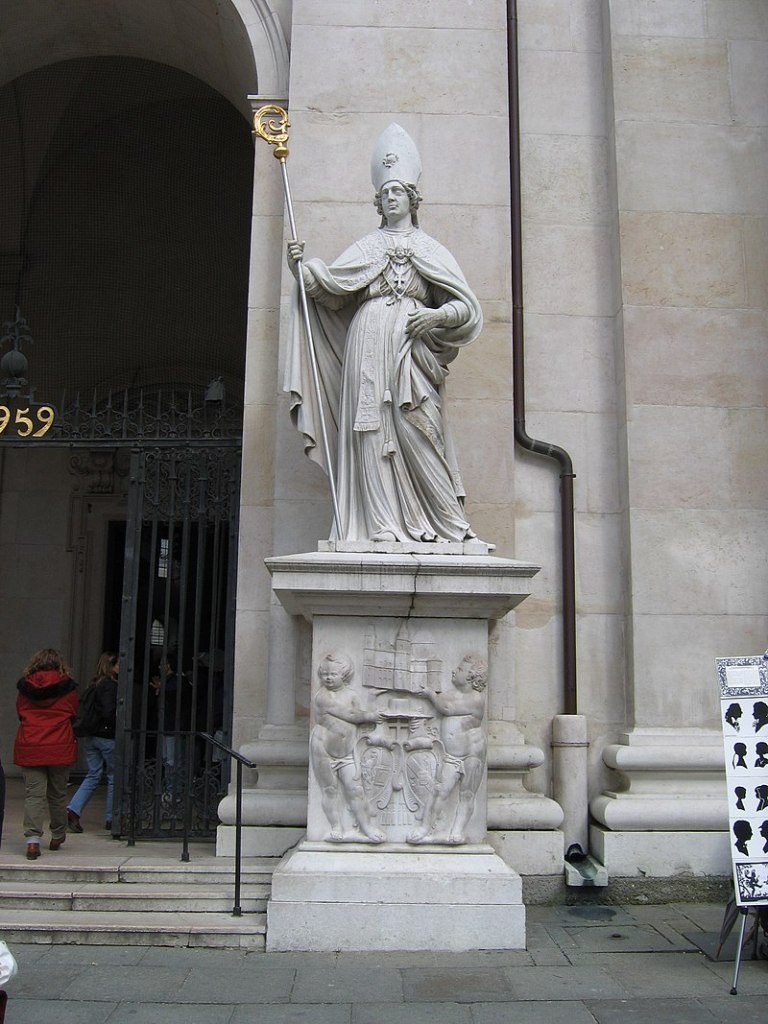
St. Virgil (Fergal) of Salzburg
Born in Ireland, a centre of learning at the time, Virgil travelled to Francia (modern-day France and Germany) and eventually settled in Salzburg, Austria. As the Abbot of St. Peter’s Monastery and later the Bishop of Salzburg, he worked tirelessly to evangelize the Alpine regions and establish churches.
Virgil was also renowned for his scholarly interests, particularly in astronomy and geography, and is credited with proposing the idea that the Earth is spherical, which was controversial at the time. Despite theological disputes with figures like Saint Boniface, Virgil remained steadfast in his mission and was revered for his wisdom and dedication.
Born: 700
Died: 784 (aged 84)
Feast Day: 27th of November
Canonised: 1233 by Pope Gregory IX

